Perhaps I was always going to be susceptible to something called an Italian Garden. Partly because of my Italian roots, certainly, but mostly because the Italian garden represents an idea I find increasingly attractive: nature does not always need to be wild to feel alive. Sometimes it becomes more powerful when someone gives it structure.
The great Italian gardens of the Renaissance were never simply collections of beautiful plants. Architecture, geometry, terraces, sculpture and water were used to organise nature into a deliberate composition. The garden became an extension of architecture, and architecture became part of the landscape. There is something wonderfully Italian about that relationship: beauty, yes, but beauty with proportion, order and rather firm opinions about where everything should stand.
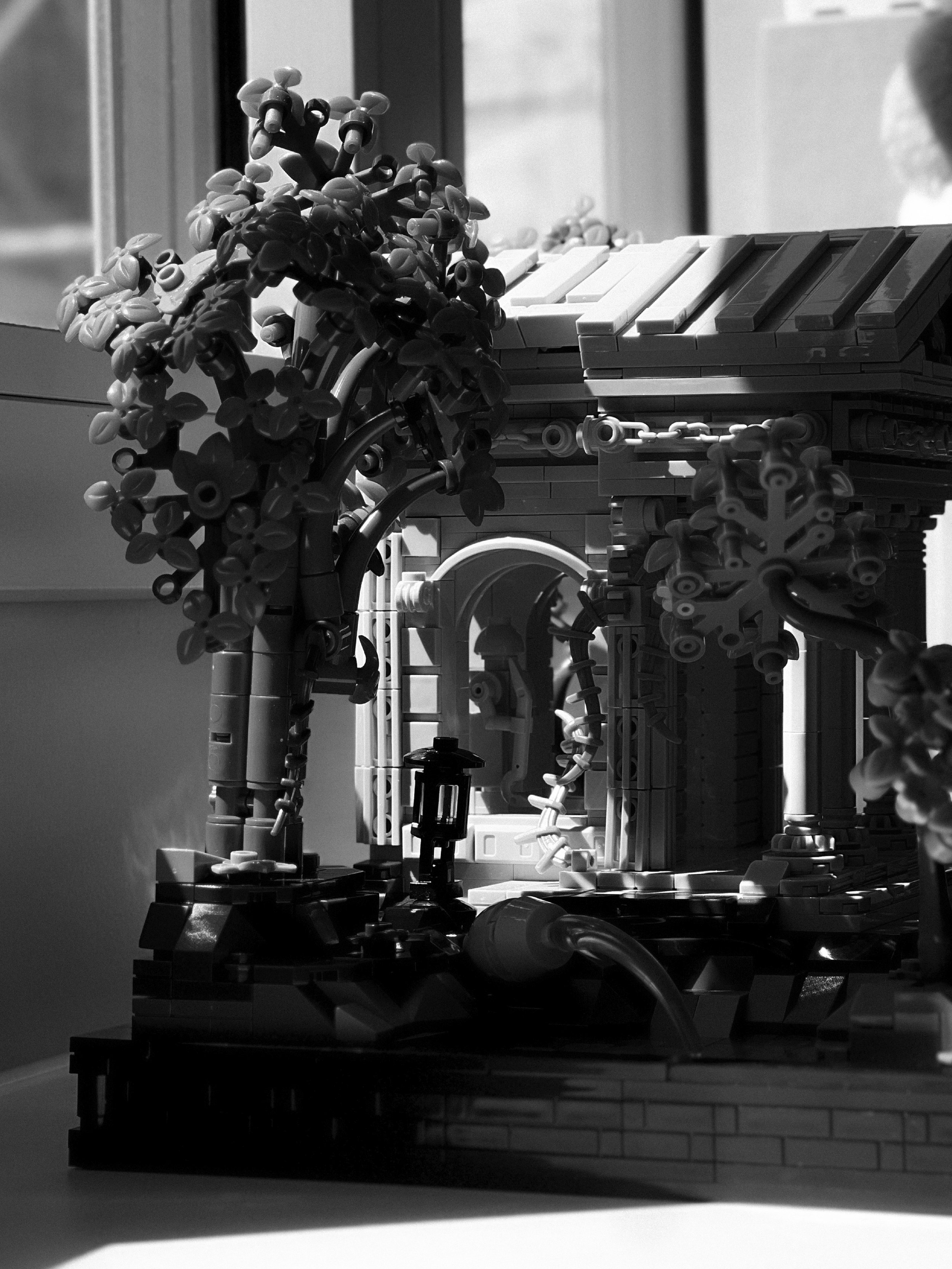
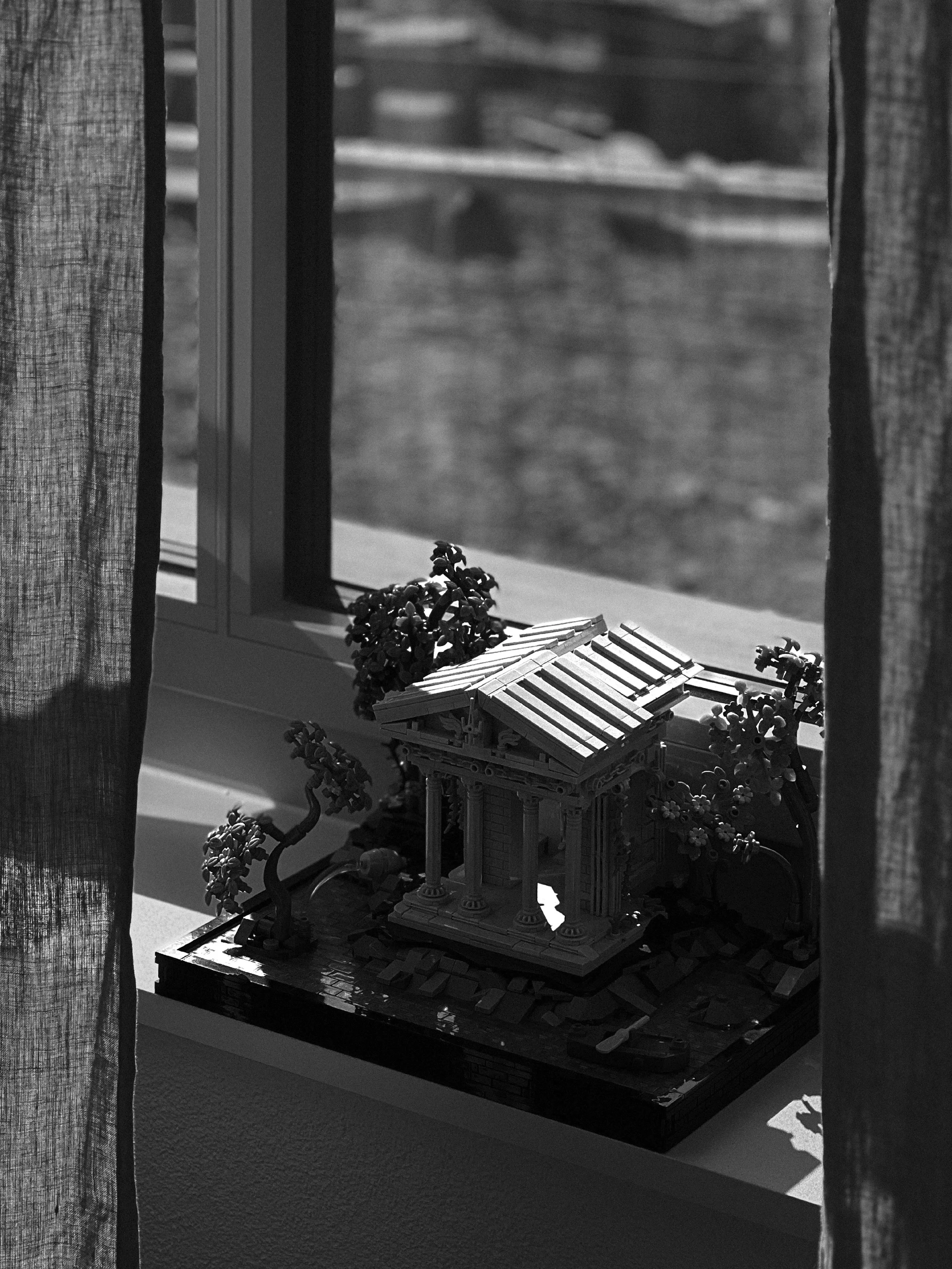
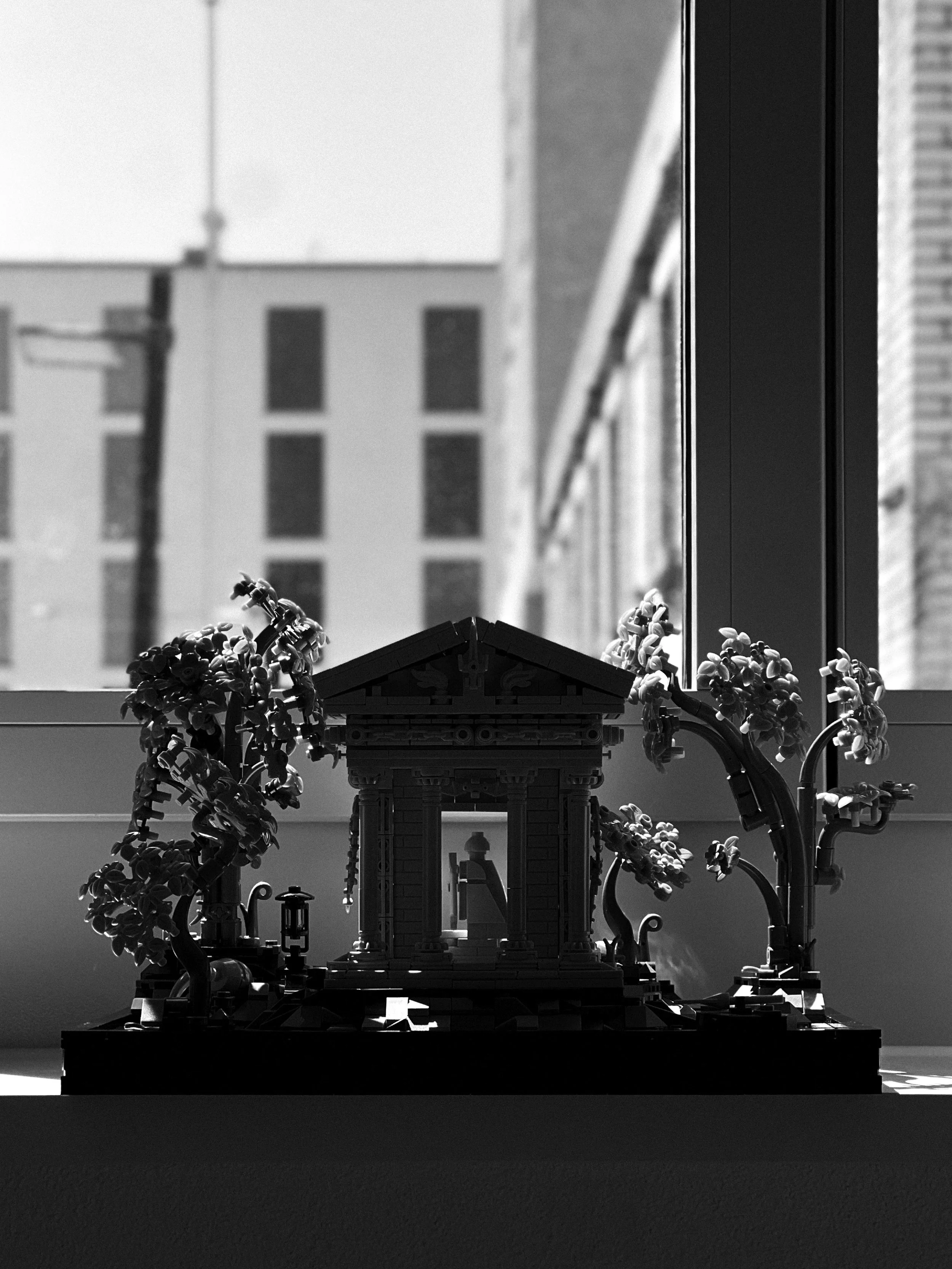
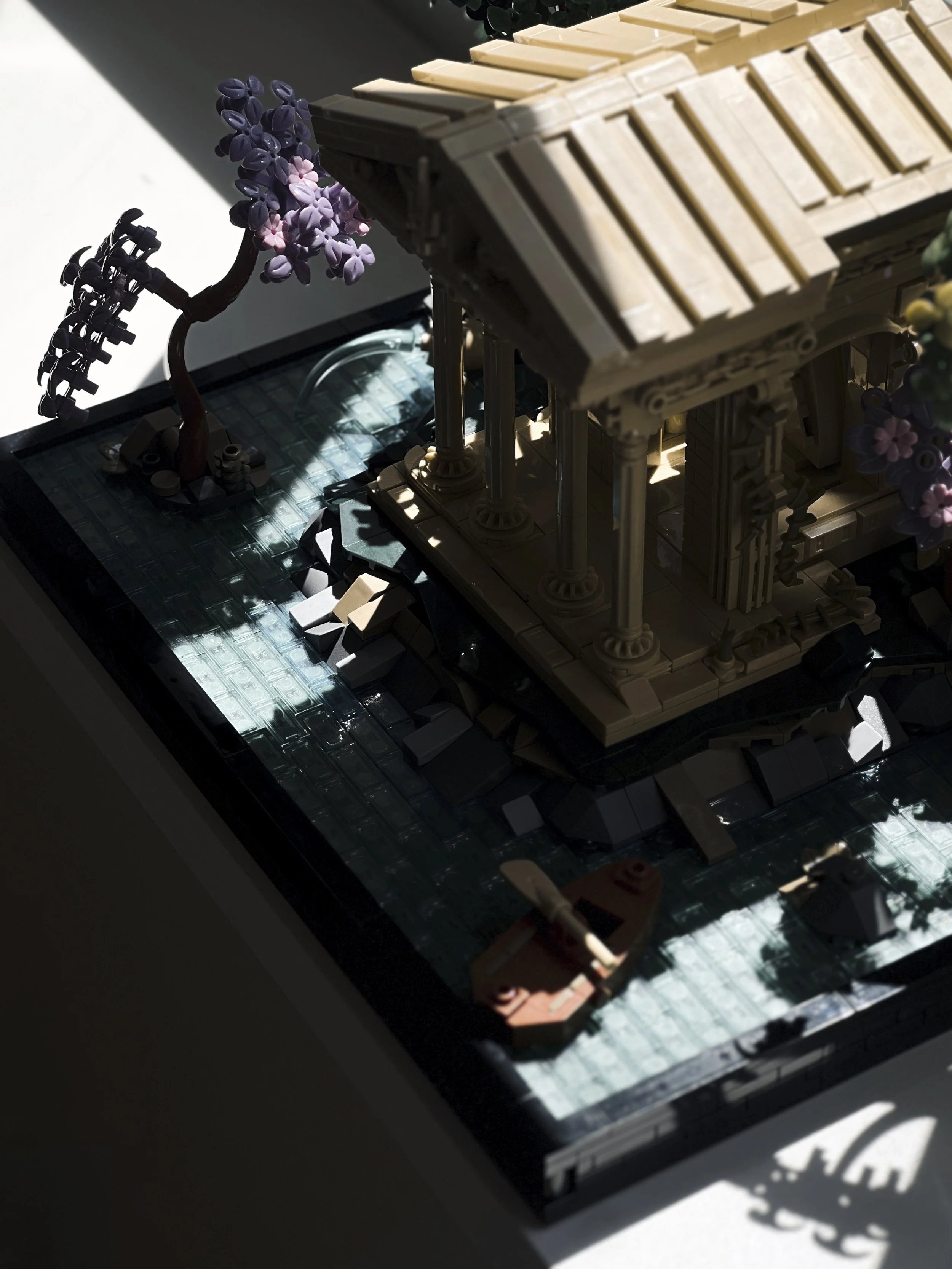
This is what made the Nifeliz Italian Garden interesting to me. Nifeliz has become particularly recognisable for its botanical subjects, but here those flowers and plants are given something they do not usually have: architecture. A classical pavilion rises above the garden, masonry defines its edges and vegetation grows around a composition that feels designed rather than merely decorated. It is botanical Nifeliz with a little more discipline.
Building without resistance
The experience itself is exactly what I have come to expect from Nifeliz. Quality is excellent, instructions are exceptionally clear and the construction progresses with almost no resistance. This is not a set designed to test your abilities. It is a set designed to occupy your hands while allowing the rest of you to slow down. Piece by piece, wall by wall, leaf by leaf, the garden simply appears.
There are manufacturers I choose when I want to be challenged. Nifeliz increasingly serves another purpose in my collection. I reach for one of their boxes when I want building to feel restorative rather than competitive. There is value in knowing that the evening ahead is unlikely to contain missing pieces, ambiguous instructions or a structural decision that requires three attempts and a vocabulary inappropriate for publication.
The Italian Garden may be one of the clearest examples of that philosophy. It is extremely easy to build, perhaps even too easy for someone searching for technical novelty, but that never felt like a problem. The pleasure comes from watching the composition develop.
Where nature meets architecture
The architectural sections were easily my favourite part. The masonry base gives the entire model a surprising amount of visual weight, while the classical structure provides exactly the order the surrounding vegetation needs. Building these elements also made me realise that what I really want from this set may not be more gardens. I want more architecture from Nifeliz.
There is an appealing confidence in the way the structure is handled. It is not unnecessarily complicated and it does not attempt to impress through obscure techniques. Instead, familiar pieces are used to establish proportion, rhythm and texture. Against the foliage, the pale architecture becomes a point of rest for the eye.
That contrast is important because the botanical side of the model occasionally approaches my personal limit.
A quieter garden, please
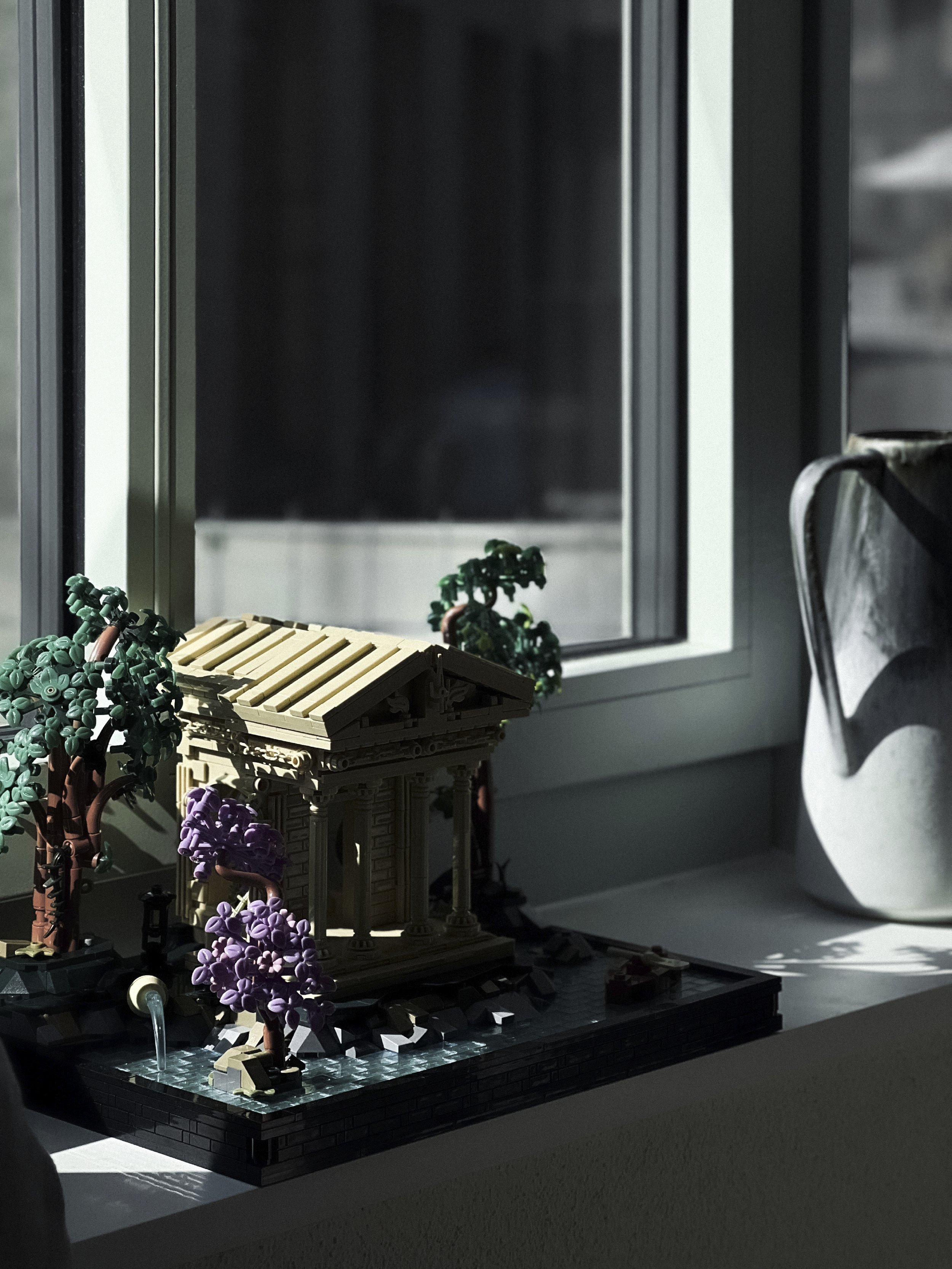
The Italian Garden contains generous quantities of bright green foliage and colourful flowers, and objectively they give the display considerable life. Personally, I would have preferred the volume turned down slightly.
More olive, sage and muted vegetation, fewer intensely saturated greens and perhaps a more restrained selection of blossoms would have moved the finished object closer to the sophistication suggested by its architecture. Interestingly, the packaging itself almost proves the point. It is one of the most beautiful Nifeliz boxes I have encountered, and its imagery presents the garden in softer, more desaturated tones. The result feels calmer, older and, to my eye, considerably more elegant.
The actual model is more cheerful.
That is not necessarily a criticism. It is simply a question of taste. And importantly, Nifeliz stops well before the botanical exuberance becomes cartoonish. The flowers remain integrated into a landscape rather than becoming oversized characters within it. For all my desire to remove perhaps twenty percent of the saturation, the finished garden still reads as a designed object rather than a colourful novelty.
Perhaps this is also where the subject becomes unexpectedly appropriate. Italy has never been particularly famous for being afraid of beauty. Restraint and exuberance have been negotiating with one another there for several thousand years.
A small piece of somewhere else
My Italian heritage inevitably adds another layer to the experience, although not one I want to romanticise too heavily. This is not a miniature reconstruction of a specific garden, nor did building it suddenly transport me to a Renaissance villa under the Tuscan sun. Bricks are good, but not quite that good.
What it does capture is an idea that feels recognisably Italian: architecture and landscape treated as parts of the same composition. The pavilion would feel incomplete without the vegetation. The plants would feel considerably less interesting without the geometry surrounding them. Each gives the other context.
And perhaps that explains why I enjoy the finished model despite wishing its palette were quieter. The architecture controls the exuberance. The greenery softens the architecture. Neither wins completely.
There is a lesson in that somewhere.
What remains
At 1,733 pieces, the Italian Garden becomes a substantial display without ever feeling like a substantial undertaking. It is polished, beautifully presented and almost impossibly relaxed to assemble. The usual Nifeliz qualities are all present: excellent parts, clear instructions, considered packaging and the reassuring feeling that nothing is likely to interrupt the experience.
Would I change it? Certainly. I would desaturate the vegetation, reduce some of the brighter botanical accents and let the stone, masonry and architecture carry a little more of the composition. In other words, I would probably make the real model look more like the box.
But the more interesting consequence of building it is that I finished wanting something I had not particularly considered before: more architecture from Nifeliz.
The botanical language is already established. The quality is there. The visual presentation is there. And the Italian Garden demonstrates that the brand can place all of that within an architectural framework without losing the calm, accessible character that makes its sets so easy to enjoy.
A good garden does not ask nature and architecture to compete. It gives each enough space to make the other more beautiful.
Nifeliz understands most of that balance remarkably well. I would simply turn the saturation down a little.